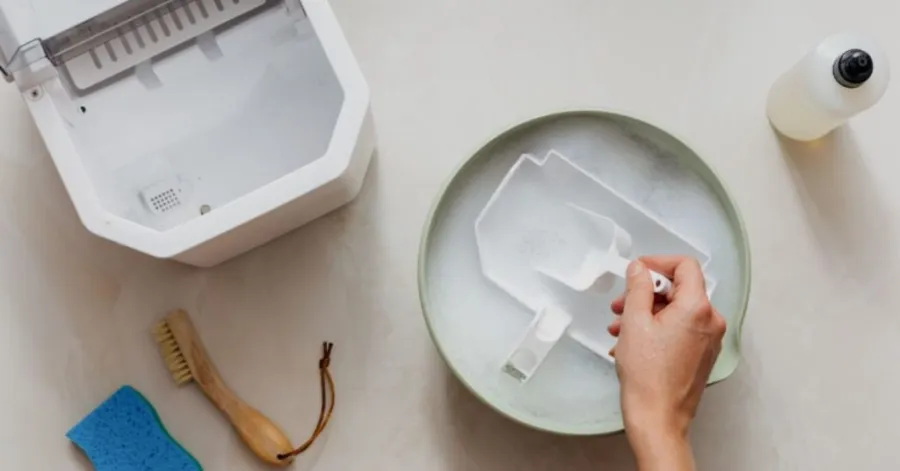
Det første skridt i at opretholde sikkerheden af mad og drikkevarer er at have ren is i dit køkken eller din virksomhed. Is kan virke uskyldig, men hvis den ikke rengøres grundigt, kan den indeholde skadelige bakterier. Det er på grund af fødevaresikkerheden, at det er så vigtigt at tilberede eller servere isterninger korrekt. Hver eneste isterning, du er afhængig af til at opbevare drikkevarer og holde dem friske og sikre for din familie, gæster eller kunder. En ren maskine er vigtig i denne proces. At vide, hvordan man desinficerer en... ismaskine vil hjælpe dig med at undgå bakterier, forbedre hygiejnen og sørge for, at enhver brug af is forbliver sikker, ren og pålidelig i det daglige.
Det skal du bruge, før du rengør din ismaskine
Du skal have de rigtige værktøjer og sikre rengøringsprodukter, før du begynder at rengøre. Dette forenkler hele processen og holder din is sikker og ren. Hvis du er ved at træne i at desinficere en ismaskine, er dette trin vigtigt, da de forkerte produkter kan beskadige maskinen eller efterlade bakterier. Det sparer også tid og giver dig mulighed for at rengøre alle dele af maskinen grundigt uden at overse nogen skjulte punkter.
Sikre rengøringsprodukter, du bør bruge
For at vide, hvordan man rengør en ismaskine derhjemme trin for trin, skal du starte med den rigtige rengøringsmiddel. Glem aldrig at tjekke maskinens manual, da ikke alle modeller har lignende krav. De fleste ismaskiner kræver et fødevaresikkert desinfektionsmiddel, der er specielt formuleret til ismaskiner.
- Kun fødevaresikre ismaskinerensemidler bør anvendes.
- Følg producentens anvisninger.
- Undgå skrappe kemikalier, medmindre de er godkendt
Disse produkter hjælper med at eliminere bakterier og holde din is sikker at drikke. Højtydende eller tilfældige vaskemaskiner kan beskadige de indvendige komponenter og påvirke iskvaliteten. Den mest passende løsning hjælper også med at bestemme den mest passende måde at rengøre ismaskinen med eddike og vand, når manualen tilbyder mild naturlig rengøring. Denne foranstaltning gør alt sikkert og hygiejnisk.
Grundlæggende værktøjer du har brug for til rengøring
Du studerer, hvor regelmæssigt en ismaskine skal desinficeres, når det er nødvendigt, og hvis du har simple værktøjer klar, vil den være meget nemmere at rengøre. Disse værktøjer vil gøre det muligt for dig at komme ind i små sprækker og rengøre uden at ridse maskinen overhovedet.
- Blød børste til at skrubbe blidt.
- Tør kluden af.
- Tørreklud: En klud lavet af mikrofibre.
- Blandespand til opløsning.
- En skalpel til at måle den korrekte blanding.
- Håndbeskyttelseshandsker.
Hvert værktøj har sit formål. Børsten hjælper med at rengøre hjørner, klude og svampe på plane overflader. Handsker holder din hud tør, når du rengør med skrappe kemikalier. Du kan bruge disse værktøjer til at rengøre og vedligeholde maskinen, hvilket hjælper den med at holde længere.
Ekstra værktøj til dybdegående rengøring (efter behov)
Normal rengøring er ikke altid tilstrækkelig, især når maskinen er fuld af mineraler eller trænger til rengøring. Ekstra værktøj vil hjælpe dig med at rengøre mere i disse tilfælde.
- Smal rørbørste (lille).
- Tandbørste til snævre hjørner.
- Let at påføre sprayflaske.
- Rengøringsmiddel til fjernelse af mineralaflejringer.
Disse er ikke nødvendige værktøjer til regelmæssig brug, men de kan bruges under intensiv rengøring. De hjælper med at fjerne hårde aflejringer, der ikke kan fjernes ved regelmæssig rengøring. Disse trin er også inkluderet i kommerciel ismaskine Desinfektionsproces beskrevet for større systemer, med regelmæssig dybdegående rengøring for at sikre ydeevne og hygiejne.
Trin-for-trin guide til sikker rengøring af din ismaskine
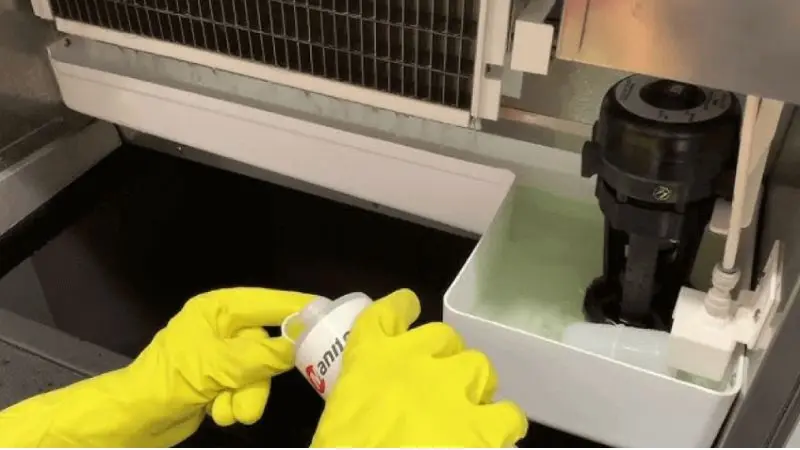
Det er bedst at vedligeholde din ismaskine for at sikre god hygiejne og sikkert drikkevand. Hvis du spekulerer på, hvordan du desinficerer en ismaskine, er det bedst at følge en bestemt rækkefølge, da hvert trin vil fjerne snavs, bakterier og ophobning på den sikrest mulige måde.
Denne proces hjælper også med at forhindre skader og sikrer, at maskinen kan køre i lang tid uden problemer.
Sluk og klargør maskinen
Før du lærer, hvordan du desinficerer en ismaskine derhjemme trin for trin, er det første trin at slukke den helt sikkert inden rengøring. Når du arbejder, skal du slukke maskinen og afbryde den fra strømkilden for at undgå enhver risiko. Tag derefter al isen ud af opbevaringsbeholderen og bortskaf den, da gammel is kan indeholde bakterier. Dæk den tomme beholder med en ren klud under rengøringen for at forhindre kontaminering med støv og andre eksterne elementer. Lad ikke nogen betjene maskinen, mens du bruger den. Dette forberedelsestrin giver et sikkert udgangspunkt og undgår blanding af snavset vand eller desinfektionsmiddel med frisk is. Det kan også hjælpe dig med rengøringen uden afbrydelser eller sikkerhedsrisici.
Fjern og vask indvendige dele
Når maskinen er klar til brug, er næste trin at fjerne alle aftagelige dele for at rengøre dem grundigt. Disse sektioner kan indeholde isskeen, filtre, bakker og andre aftagelige vanddele. Rengør hver sektion med varmt vand og et fødevaresikkert desinfektionsmiddel for at fjerne snavs og bakterier. Rengør med en blød børste, hvor det er nødvendigt i små hjørner, hvor der kan opstå ophobning. Efter rengøring skylles alt med frisk vand for at få al rengøringsopløsningen af. Tør det af med en ren klud og læg det til side på en ren overflade. Dette er et afgørende trin, da selv minimalt snavs kan forringe isens kvalitet og hygiejne, hvis det ikke rengøres ordentligt under processen.
Rengør og afkalk inde i maskinen
Efter at have fjernet alle delene, er det muligt at koncentrere sig om maskinens indre. Det er her, de fleste bakterier og mineraler ophobes. Påfør en velblandet rengøringsopløsning, og rengør de indvendige overflader, inklusive hvert hjørne og kant. Hvis der er hvide eller hårde aflejringer, skal du bruge en afkalkningsopløsning for at opløse dem. Dette gælder især i områder med hårdt vand. Det kan også være nyttigt at vide, hvordan man desinficerer ismaskinen med eddike og vand, til en let rengøring, så længe producenten tillader brug af naturlige opløsninger. Skrub altid forsigtigt for at forhindre skader på de indvendige overflader, mens du fjerner alle synlige aflejringer.
Skyl og desinficer alt ordentligt
Det er vigtigt at skylle efter rengøring og afkalkning for at fjerne eventuelle resterende kemikalier. Skyl maskinens indre med rent vand, indtil der ikke er spor af rengøringsopløsning tilbage. Påfør derefter et nyt lag desinfektionsmiddel på alle overflader, og sørg for, at det fordeles jævnt. Lad det hvile så længe som det anbefales for at dræbe bakterier. Visse desinfektionsmidler kræver skylning to gange, så det er altid vigtigt at læse instruktionerne. Dette trin opretholder hygiejnen og er direkte relateret til, hvor ofte en ismaskine skal desinficeres korrekt, da hyppig desinfektion hjælper med at forhindre bakterieophobning og holder isen sikker og klar til brug hver dag. Isens smag og kvalitet beskyttes også under korrekt skylning.
Sæt alt tilbage og genstart maskinen
Efter rengøring skal du sørge for at sætte alle de tidligere fjernede dele tilbage i maskinen. Sørg for, at alle komponenter er på plads og monteret korrekt for at sikre, at systemet fungerer problemfrit. Tilslut maskinen igen, tænd den, og gentag processen. Den første isblok skal fjernes, da den kan indeholde rester af desinfektionsmiddel eller rengøringsopløsning. Se derefter på isen, og se, hvilken mærkelig lugt eller smag den har. Gentagen skylning er nødvendig, hvis noget virker galt. Denne sidste handling afslutter processen med at desinficere ismaskinen og gør maskinen fuldstændig sikker, ren og klar til at blive brugt normalt i hjem eller erhvervslokaler.
Nem rengørings- og plejevejledning til ismaskine
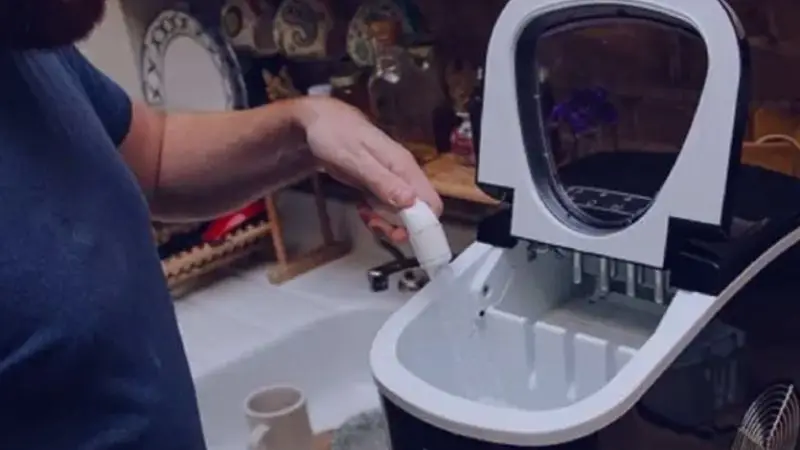
Det er vigtigt at rengøre din ismaskine regelmæssigt for at sikre sikker, frisk is. Når det gælder om at lære at desinficere en ismaskine, kan regelmæssig pleje og gode vaner være lige så vigtige som rengøringsprocessen.
Dette afsnit vil hjælpe dig med at forstå timing, røde flag og fejl på en enkel måde.
Hvor ofte bør du rengøre din ismaskine
At kende hyppigheden af tilstrækkelig rengøring af en ismaskine kan hjælpe med at undgå forekomst af bakterier og ophobning i systemet. Generelt bør ismaskiner vaskes efter 3-6 måneder, selvom dette afhænger af, hvor ofte de bruges. Rengøring af robotter i restauranter eller i travle hjem skal muligvis udføres oftere.
Groft sagt er det:
- Let brug: hvert halve år.
- Hjemmebrug: 3-4 gange om måneden.
- Ved kraftig brug: efter hver 12-2 måneder.
Når du rengør din maskine, skal du altid læse dens manual, da nogle maskiner har særlige rengøringsretningslinjer. Med en korrekt tidsplan vil din ismaskine have en længere levetid og give mere sikker is. Du kan også minde dig selv om det ved at indstille en alarm på din telefon eller kalender for at holde styr på det.
@ezequielgutierr87 @Vevor Værktøjer #UN MEXICANO CHINGON
♬ sonido original – UN MEXICANO CHINGÓN
Tegn på, at din ismaskine skal rengøres
Din maskine har normalt indikatorer, når den skal rengøres. Disse indikatorer vil guide dig om, hvornår du skal handle, hvis du lærer, hvordan du rengør en ismaskine derhjemme trin for trin.
Vær opmærksom på følgende symptomer:
- Isen ser beskidt eller røgfyldt ud.
- Isen smager/lugter dårligt.
- Skimmelsvamp eller slim på indersiden af skraldespanden.
- Maskinen producerer mindre is.
- Der er lækage eller vandansamling.
Hvis du er opmærksom på nogen af disse problemer, skal du vaske og desinficere. Hold dig ikke til din rutine, da bakterier kan sprede sig hurtigt i maskinen og påvirke iskvaliteten.
Almindelige fejl du bør undgå
Mange personer beskadiger deres maskiner eller reducerer rengøringsydelsen gennem simple fejl. Forebyggelse af dette er et vigtigt aspekt ved at lære, hvordan man desinficerer ismaskinen korrekt.
Følgende er nogle typiske fejl:
- Manglende rutinemæssig rengøringsaftale.
- Arbejde med farlige eller farlige kemikalier.
- Manglende korrekt rengøring af delene.
- Udelader små, ubetydelige bidder.
Manglende vedligeholdelse fører til ophobning af snavs og bakterier over tid. Forkerte rengøringsmetoder kan beskadige de indvendige komponenter og kompromittere issikkerheden. Manglende skylning kan resultere i rester af kemikaliet. Små ting som filtre eller skeer kan gå ubemærket hen, men ophobe usynlige bakterier. Disse detaljer sikrer, at din maskine er sikker og funktionel.
Wrap-Up
Det er også vigtigt at rengøre din ismaskine for at sikre sikker, frisk is dagligt. Når du følger en ordentlig rutine for, hvordan du desinficerer en ismaskine, beskytter du dig selv mod bakterier, dårlig smag og maskinskader. Regelmæssig rengøring forbedrer også ydeevnen og forlænger maskinens levetid. Følg altid enkle procedurer, brug sikre rengøringskemikalier, og læs advarselsskilte tidligt. Gode vedligeholdelsesvaner gælder både i hjemmet og erhvervsmiljøet. Regelmæssig rengøring sikrer, at din ismaskine aldrig fejler i at levere ren, sikker is af høj kvalitet.
Ofte stillede spørgsmål
Hvor ofte skal din ismaskine desinficeres?
Det anbefales at rengøre din ismaskine hver tredje eller sjette måned. Hvis du bruger den ofte, bør du rengøre den oftere. Glem aldrig at konsultere din manual for at finde den bedste tidsplan.
Er det muligt at rengøre sin ismaskine med blegemiddel?
Blegemiddel bør kun anvendes, når det er angivet i maskinens manual, at det er sikkert. Visse maskiner kræver specielle rengøringsmidler. Blegemiddel kan ødelægge komponenter eller gøre is farligt.
Hvad sker der, hvis du ikke desinficerer?
Du risikerer bakterier, skimmelsvamp og sur is. Din maskine kan gå i stykker hurtigere. Du bevarer din is og holder din maskine i god stand ved at vaske den.
Skal du rense al isen ud først?
Ja, du skal fjerne al is inden rengøring. Bortskaf den gamle is, så bakterier ikke formerer sig. Det er bedst at starte med at have en tom beholder.
Hvad er de bedste værktøjer til at rengøre ismaskiner?
- Blød børste
- Ikke-slibende svamp
- Rene håndklæder
- Godkendt desinfektionsmiddel
Disse bruges til at holde din is på plads og rengøre alle dele.