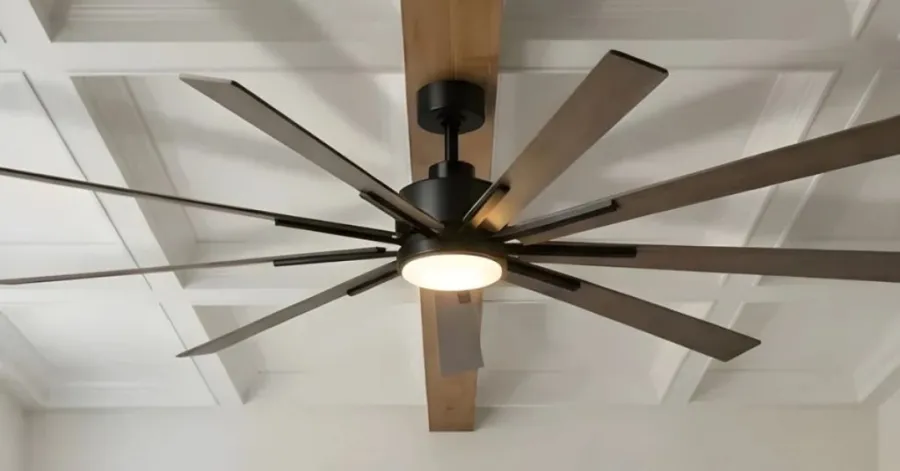
Når du tænker over det, har du nogensinde tænkt over det hvordan en loftsventilator fungererI virkeligheden kan din ventilator ikke køle luften i dit hjem. I stedet cirkulerer den kun luften for at forbedre din daglige komfort. Bevægelsen i den modsatte retning af uret skaber en dejlig vindafkølingseffekt, der kan bruges til personlig afkøling i sommer. Du vil føle dig øjeblikkeligt køligere som følge af denne stærke brise. Ændring af retningen på din loftsventilator om vinteren vil det få varm luft, der er blevet fanget, til at bevæge sig nedad. Dit hjems opvarmningseffektivitet vil blive forbedret over hele linjen med denne enkle metode.
Denne artikel beskriver, hvordan en loftsventilator fungerer, og hvordan den kan gøre dig mere komfortabel hele året rundt. Vi viser dig, hvordan ventilatorens rotation påvirker luftstrømmen, hvornår du skal skifte retning om sommeren eller vinteren, og hvordan du bruger den korrekt for at maksimere komforten og forbedre dit hjems energieffektivitet.
Indholdsfortegnelse
Hvordan fungerer en loftsventilator?
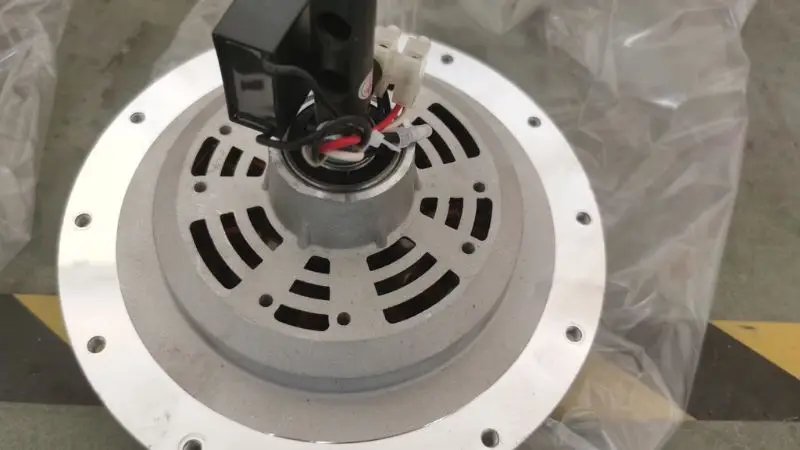
Driften af en loftsventilator er ikke det sværeste at lære. Blandingen af aerodynamik og elektricitet er det, der får den til at drive sig selv fremad. Ved hjælp af din ventilator omdannes kraft til bevægelse. Derefter genererer den et træk i det område, hvor du befinder dig.
Hvordan fungerer en loftsventilatormotor?
Hvordan fungerer en loftsventilatormotor Virker det? Motoren fungerer som en motor. Du tænder ventilatoren. Indeni opsuger trådspoler elektrisk strøm. Denne kraft skaber en magnetisk kraft. Dette magnetiske tryk skaber rotationsenergi. Ventilatorer drives af AC- eller DC-motorer. DC-motorer bruger mindre strøm. AC-motorer kører kontinuerligt. Begge omdanner strøm til rotation.
Anbefalet til dit projekt
Hvordan flytter loftsventilatorblade luft?
Hvordan cirkulerer en loftsventilator luft? Hvert af de blade, der er koblet til den roterende motor, bidrager til luftens bevægelse. Nogle ventilatorblade er ikke helt flade. Hældningen skaber en skarp vinkel. Vinklen, som denne er placeret i, er et sted mellem 10 og 15 grader.
De vippede blade skubber luften:
- Nedadgående luftstrøm: Buede blade suger luft ind. De presser den ned mod dig.
- Luftcirkulation: Luft i bevægelse skubber stillestående luft væk. Det holder luften i bevægelse.
Hvad er hoveddelene i en loftsventilator?
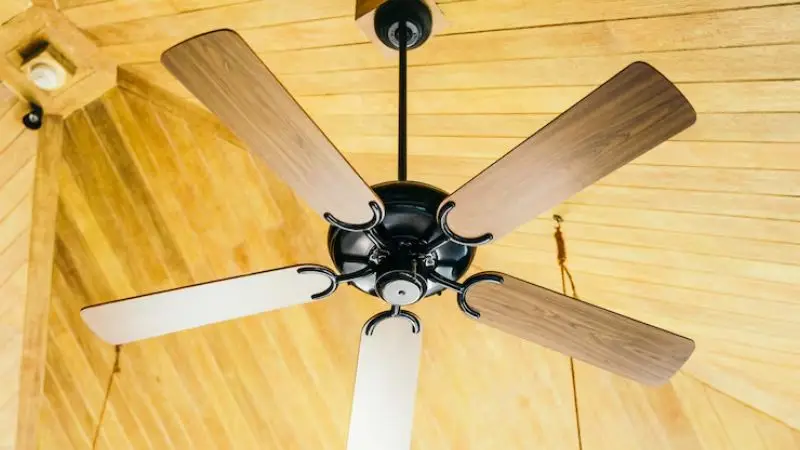
Hvordan fungerer en loftsventilator Trin for trin? Hver loftsventilator består af flere vigtige komponenter, der er nødvendige for driften. De holder luften i en behagelig og behagelig tilstand for din bekvemmelighed. Hver komponent udfører en specifik funktion. De opretholder luftcirkulationen i hele dit hjem.
Motor
Der er en motor placeret næsten præcis midt i området. Det er dér, hjertet i din ventilator kan findes. Hvordan fungerer det? en loftsventilator Motorarbejde? En komponent er ansvarlig for at omdanne elektrisk kraft til bevægelse. Når det kommer til ydeevne, er en god motor exceptionel. Derudover holder den støjniveauet ekstremt lavt.
Ventilatorblade
Hvordan fungerer en loftsventilator rotererMotorhuset er koblet sammen med ventilatorbladene og omvendt. Disse ting er lavet af producenterne af enten træ eller plastik. De bruger også letmetalmaterialer. På grund af bladene tvinges luften til at bevæge sig nedad. Denne handling skaber et behageligt træk.
CAPACITOR
Ligesom en startkontakt udfører denne kondensator den samme funktion. En ubetydelig mængde, der er skjult for syne, kan findes indeni. For at starte motoren leverer den den nødvendige energi. Derudover styrer den den elektriske effekt for flere forskellige hastigheder.
Nedstang og monteringssystem
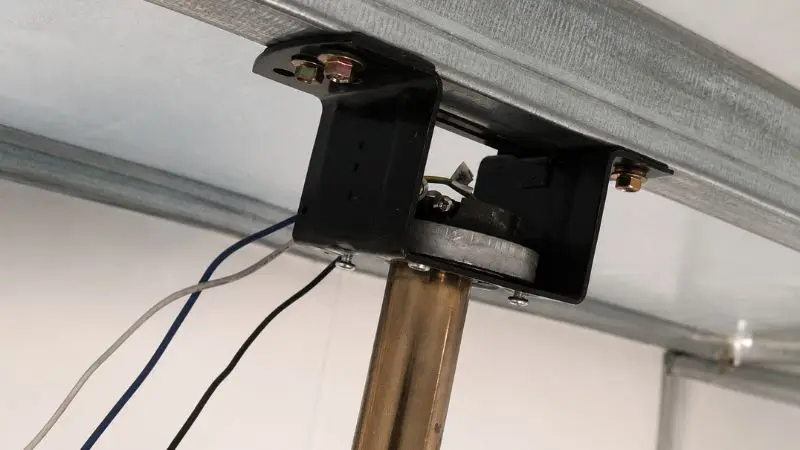
Hvordan en loftsventilator skabe luftstrøm? Mekanismen, der bruges til at montere din ventilator, giver et sikkert greb takket være dens robuste konstruktion. Af denne grund er enheden fastgjort til loftet på denne særlige måde.
Nøgledele af dette system omfatter:
- Monteringsbeslag: Den fastgør ventilatoren til dit loft.
- Nedstang: Dette metalrør indstiller den rigtige højde.
- Baldakin: Den skjuler ledninger for et rent udseende.
Speed Controller
Hastighedsregulatoren gør det muligt at dreje knivene med forskellige hastigheder. En trækkæde burde ikke være noget problem for dig at bruge. Vægkontakter og fjernbetjeninger kan også bruges. Der foretages ændringer i den elektricitet, der overføres til motoren. Det betyder, at du har kontrol over det komfortniveau, du nyder.
Hvordan kan en loftsventilator køle et rum ned?
Hvordan fungerer en Loftventilator køler et rum nedDu tror, at ventilatorer køler rum ned. Ventilatorer sænker ikke temperaturen. De køler dig ned. De har et smart trick. Luft glider hen over din hud. Sved tørrer hurtigt af. Din krop frigiver varme. Sved omdannes derefter til damp. Dette forårsager vindafkølingseffekten. Du fornemmer en kølig vind. Din ventilator drejer nu mod uret. Vingerne opsamler rumluften. Hurtigt. De presser luften ned. Dette skaber en meget kraftig nedadgående strøm. Vinden blæser mod din krop. Det er altid ret køligt.
| Ventilatorindstilling | Rotationsretning | Luftstrømningsretning | Effekt på kroppen |
| Sommertilstand | Mod uret | Direkte nedadgående | Holder huden kølig med det samme |
| Vintertilstand | Med uret | Opad og udad | Presser varm luft ned |
Du kan øge klimaanlæggets temperatur. Klimaanlægget arbejder meget mindre. Du sparer strøm hver dag. Dette simple trick virker godt. Det hjælper med at køle dit hjem ned.
Hvordan ændrer en loftsventilator hastighed?
Hvordan en loftsventilator skabe luftstrøm? Du kan trykke på en kontakt for at ændre ventilatorhastigheden. Og hvad sker der så inde i ventilatoren? Ændring af hastigheden ændrer den elektriske effekt til ventilatormotoren. Knivene roterer meget langsomt med mindre strøm. Mere strøm betyder, at knivene roterer hurtigere.
AC-ventilatorer bruger kondensatorer
Hvordan ændrer en loftsventilator hastigheden? Mange loftsventilatorer har også klimaanlægsmotorer. Når det kommer til den gradvise ændring af motorhastigheden, er det kondensatorer, der er ansvarlige for det.
Sådan ændrer du AC-blæserhastigheden:
- Høj hastighed: Elektricitet går direkte til motoren. Motoren drejer hurtigt.
- Mellem hastighed: Strømmen flyder til en lille kondensator. Kondensatoren sænker strømmen en smule.
- Lav hastighed: Elektricitet passerer gennem store kondensatorer. Strømmen falder og skaber en blød brise.
DC-ventilatorer bruger elektroniske styringer
Jævnstrømsmotorer (DC) driver moderne loftsventilatorer til aircondition. De styrer hastigheden separat. Et printkort konverterer den jævnstrøm (DC), der produceres af vægstrømmen.
Strømbesparer: DC-controllere indstiller effekten meget omhyggeligt. Du får mange hastighedsmuligheder ved at bruge lavt energiforbrug.
Hvordan forskellige controllere fungerer
Tre almindelige styreenheder ændrer din ventilatorhastighed:
| Kontrol type | Hvordan det ændrer hastighed | Bedste egenskab |
| Træk kæde | Skifter en indre mekanisk kontakt | Enkel og holdbar |
| Wall switch | Styrer strømmen ved hjælp af vægknapper | Nem adgang til værelsesdøren |
| Fjernstyrede vibratorer | Sender radiosignaler til ventilatormodtagere | Blød sofakomfort |
Disse kontroller giver dig god luftgennemstrømning hver dag.
Hvordan roterer en loftsventilator baglæns?
Hvordan fungerer en loftsventilator cirkulerer luftDu drejer på en lille kontakt. Den er på din motorcykel. Den ændrer den elektriske strømningsbane. Nu løber strømmen baglæns. Trådspoler. Strømmen løber. Motoren drejer hurtigt baglæns. Knivene skifter hurtigt retning. Hvorfor drejer vi på denne kontakt i dag? Ændring af luftstrømmen forbedrer den sæsonbestemte komfort. Det hjælper med at reducere energiregningerne.
Sommerindstillinger versus vinterindstillinger
Hvordan køler en loftsventilator et rum? Om sommeren er en ventilator, der roterer mod uret. Denne bevægelse presser luften nedad – en brise mod din hud. Så føler du dig kølig med det samme. Om vinteren stiger den varme luft op. Den hænger tæt på de høje lofter. Så arbejder varmeapparater meget hårdere. Problemet kan løses ved at dreje med uret.
Se hvordan begge tilstande hjælper:
| Sæson | Rotationsretning | Luftstrømsbevægelse | Primær fordel |
| Sommer | Mod uret | Direkte nedadgående | Køler din hud direkte |
| Vinter | Med uret | Opad og udad | Presser varm luft ned |
Bevægelse med uret bringer kold luft op. Loftvarme presser vægge ned. Meget god varmluftcirkulation. Ingen storm blæser mod dig. Du sparer meget på opvarmningen. Retningskontrol af loftsventilatoren fungerer. Det har fordele hele året rundt.
Hvad påvirker loftsventilatorens ydeevne?
Hvordan fungerer en loftsventilator trin for trin? Ventilatorsystemer kan flytte luft på en række forskellige måder. Med disse oplysninger kan du forbedre din energibesparelse betydeligt. Derudover vil du kunne nyde et højt komfortniveau.
Ventilatorbladstørrelse
Hvordan fungerer en loftsventilator rotererSærligt lange blade kan udsende en betydelig mængde luft. Kortere blade producerer mindre brise. Det er vigtigt at vælge de rigtige mål for at skabe kølige rum.
Bladvinkel
Bladets hældning fortæller dig, hvor meget luft der suges ind. Jo større vinklen er, desto større er stigningen i luftmængden. Flade blade roterer uden bevægelse, uden luftbevægelse. Du skal vælge blade, der har en vinkel på omkring 12 til 15 grader eller mere.
Motoreffekt
Hvordan fungerer en loftsventilatormotor? Kraftige motorer gør det muligt at dreje tunge blade med lethed. Motorer indbygget i en loftsventilator med en høj virkningsgrad er unikke. Det kræver kun en meget lille mængde elektrisk strøm at generere en betydelig luftstrøm.
Lofthøjde
På grund af afstanden til gulvet er der en fuldstændig ændring i luftspredningen. Hvordan roterer en loftsventilator? Vingerne bør monteres i en højde på mellem 2,4 og 2,7 meter. Denne optimale højde forbedrer generelt rummets effektivitet.
| Loftstype | Monteringssystem | Ideel bladhøjde |
| Standardloft | Standard Downrod | 8 Feet |
| Lavt til loftet | Flush Mount | 7 Feet |
| Højt loft | Forlænget nedstang | 9 Feet |
Værelsesstørrelse
Hvordan en loftsventilator Ændre hastighed? For at imødekomme større rum kræves større ventilatorstørrelser. Mindre ventilatorer anbefales til brug i områder med begrænset plads. Juster ventilatorens størrelse, så den passer inden for den ledige plads i rummet. Som et resultat kan husejere høste fordelene ved disse energibesparende teknologier.
Konklusion
Evnen til at gøre et rum mere praktisk og komfortabelt kan opnås ved at få en forståelse af, hvordan en loftsventilator fungerer, og hvordan den bruger den elektricitet, den genererer. Som følge heraf er den fordelagtig i hele regnskabsåret. Når en motor drejes, kan den effektivt skubbe luft. Til at flytte luft er vinklede blade fordelagtige. Når det kommer til at lette luftbevægelsen, er dette den ideelle fremgangsmåde. I løbet af sommeren hjælper vinde, der blæser i den modsatte retning af uret, med at opretholde en konstant temperatur hele dagen.
Ofte stillede spørgsmål
Hvordan tjekker du din ventilators retning?
Om sommeren skal bladene dreje mod uret for at skubbe den kølige luft ned. Om vinteren skal bladene dreje med uret for at trække luft op. Denne hurtige kontrol hjælper dig med nemt at indstille den rigtige retning.
Kan en ventilator, der er tændt, køle et tomt rum ned?
Nej, ventilatorer køler mennesker, ikke rum. Luft i bevægelse skaber en kølig brise mod din hud. At have en ventilator kørende i et rum spilder strøm. Sluk din ventilator, når du går, for at følge smarte energibesparende tips.
Hvordan fungerer en loftsventilator at spare penge?
Så, hvordan en loftsventilator arbejde for at spare penge? Flytning af luft får dig til at føle dig op til fire grader køligere. Du kan hæve din termostatindstilling om sommeren uden at miste komforten. Denne enkle ændring sænker din månedlige elregning.
Hvilke ventilatorindstillinger fungerer bedst til høje lofter?
Hold din ventilator drejende mod uret på højeste hastighed ved høje lofter. Denne indstilling tvinger luften nedad over store rum. Du kan skifte bladretning om vinteren for at trække luft op og presse varmen ned ad dine vægge.