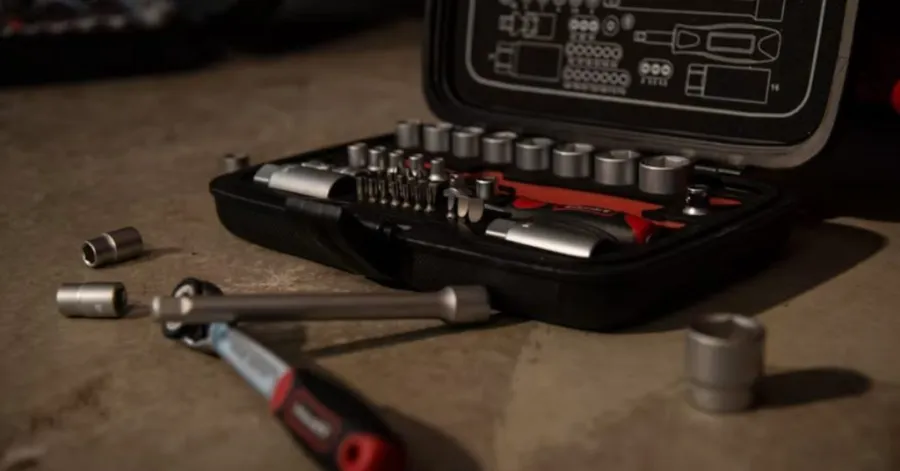
هل تساءلت يومًا كيف يعمل مفتاح الربط؟ ببساطة، تمسك المقبض، وتثبت المقبس، ثم تدير الصواميل أو البراغي بسهولة. تتيح لك آلية السقاطة تثبيت يدك أثناء التدوير، فلا تحتاج إلى إعادة ضبط قبضتك في كل مرة. توفر لك هذه الأداة الجهد وتجعل الإصلاحات أسرع بكثير. إذا كنت مبتدئًا في استخدام الأدوات، فسيصبح مفتاح الربط سريعًا مساعدك المفضل، سواء كنت تقوم بتجميع الأثاث، أو إصلاح دراجة هوائية، أو العمل على سيارة. كيفية استخدام مفتاح ربط المقبس يمكن للأعمال أن تجعل كل مهمة تسير بسلاسة أكبر.
كيف يعمل مفتاح الربط ذو المقبض المسنن من الداخل؟ يُعدّ تعلّم أجزاء الأدوات ووظائفها وكيفية استخدامها بشكل صحيح مهارةً أساسيةً لكلّ هاوٍ للأعمال اليدوية. في هذا الدليل، ستكتشف كيفية عمل مفتاح الربط، والمكونات التي تجعله فعالاً، وأفضل الممارسات لاستخدامه بأمان وكفاءة. بنهاية الدليل، ستكتسب الثقة اللازمة للتعامل مع مجموعة واسعة من مهام الربط بسهولة.
ما هو مفتاح الربط ذو المقبس؟ أجزاؤه ووظائفه واستخداماته اليومية
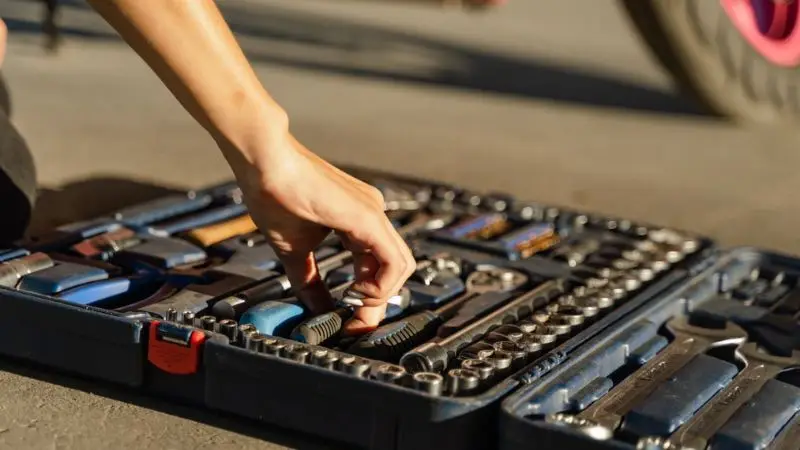
مفتاح الربط هو أداة يدوية تُستخدم لربط وفك الصواميل والبراغي. يتم استخدامه عن طريق تدويره باستمرار على المثبت دون إزالته، وذلك باستخدام آلية تروس. تتكون مجموعة مفاتيح الربط القياسية من مقبض تروس، ومفاتيح ربط، ووصلات، ومحولات. ويمكن استخدامه في مهام يومية مثل تجميع الأثاث، وإصلاح الدراجات، وصيانة السيارات.
التعريف الأساسي والغرض
مفتاح الربط ذو المقبس أداة رائعة لربط وفك الصواميل والبراغي. كيف يستخدمه المبتدئون؟ يُستخدم المفتاح مع المقبس المُثبّت في طرفه، ثم يُمسك بالمقبض. صُمم المقبس ليتناسب مع رأس الصامولة أو البرغي. يدور المقبس مع تحريك المقبض، مما يجعل مفتاح الربط ذو المقبس أداة مثالية عند الحاجة إلى ربط أو فك شيء ما بسرعة. لا تُزِل الأداة من الصامولة في كل مرة تدور فيها. يسمح نظام السقاطة الداخلي بالعمل المتواصل دون توقف. باستخدام مفتاح الربط ذو المقبس، يمكنك توفير الوقت والجهد. كما تُتيح هذه الميزة للمستخدم معرفة متى وأين يستخدم مفتاح الربط ذو المقبس. لن يضطر المستخدم إلى التخمين بشأن الأداة المناسبة لهذه المهمة - استخدم مفتاح الربط ذو المقبس عندما يحتاج المثبت إلى الربط أو الفك بسرعة وكفاءة. تُساعد هذه الميزة أيضًا على تعزيز السلامة، حيث لن يميل المستخدم إلى استخدام الأداة لغرض آخر غير الغرض المُصممة له.
المكونات الرئيسية لمجموعة مفاتيح الربط
ستلاحظ وجود عدة عناصر عند فتح مجموعة مفاتيح الربط. كل قسم منها يساعدك على إنجاز مهام مختلفة. تُعرّف هذه الميزة المستخدم بأساسيات مجموعة مفاتيح الربط، بما في ذلك مقبض السقاطة، والمفاتيح، والوصلات، والمحولات. لا تحتوي المجموعة على أدوات غريبة، بل يتعلم المستخدم آلية عمل مفتاح الربط، وهي آلية سهلة الشرح. تمنحه هذه المعرفة فكرة عن الأداة المناسبة لكل مهمة وكيفية استخدامها بثقة أكبر.
يتضمن ذلك عادةً ما يلي:
- يد السقاطة: المقبض المركزي للمفتاح (الذي تمسكه). وهو مزود بمفتاح لتغيير الاتجاه.
- مآخذ: تقوم باختيار المقبس الصحيح الذي يجب تركيب الصامولة أو البرغي عليه لربطه.
- الامتدادات: تُستخدم للوصول إلى المكسرات في المناطق التي يصعب الوصول إليها.
- محول: تُستخدم لتوصيل المقابس بمقابض مفاتيح ربط مختلفة.
الاستخدامات الشائعة في الإصلاحات اليومية والأعمال الميكانيكية
يمكن إنجاز هذه المهام بسهولة وسرعة أكبر باستخدام مفتاح ربط. كيف يستخدم المبتدئون مفتاح الربط؟ كل ما عليك فعله هو اختيار المقبس المناسب، وتركيبه على المفتاح، وستكون جاهزًا للعمل. من المفيد معرفة أن... مجموعة وجع المقبس يُعد مفتاح الربط من أهم الأدوات التي يجب اقتناؤها. سيُستخدم مفتاح الربط في العديد من التطبيقات في منزلك أو مرآبك.
هذه بعض التطبيقات الشائعة:
- إصلاح الدراجات/السكوتر
- تجميع الأثاث
- إجراء أعمال صيانة على محرك السيارة
- شد البراغي في معدات الملاعب
كيف يعمل مفتاح الربط ذو المقبس؟ شرح آلية السقاطة
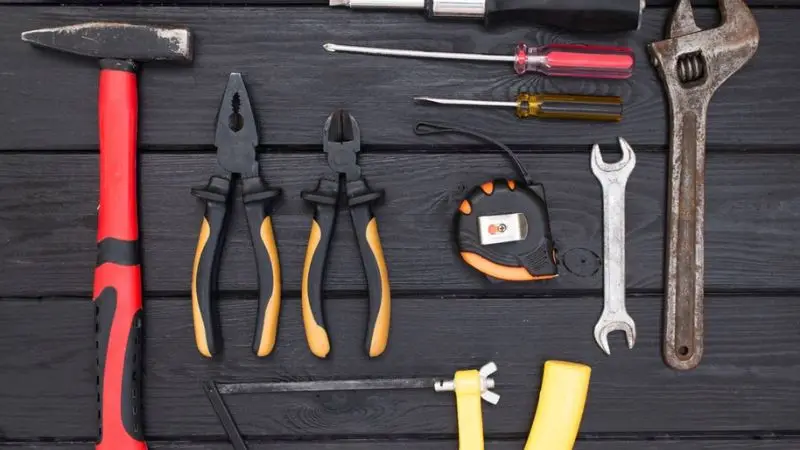
يتميز مفتاح الربط بتصميم سقاطة، مما يسمح بتدوير المثبت في اتجاه واحد وإعادة ضبط المقبض دون الحاجة إلى إزالة المفتاح. يتم تثبيت المقبس بإحكام على المفتاح ووضعه فوق الصواميل أو البراغي من نفس الحجم لسهولة وسرعة الاستخدام. يمكنك التبديل بسرعة بين الشد والفك باستخدام مفتاح الاتجاه. هذه الميزات، عند استخدامها معًا، تُسهم في إنجاز الإصلاحات بشكل أسرع وتحسين الأداء في الأماكن الضيقة أو الصعبة.
شرح دور آلية السقاطة
قد تتساءل: كيف يعمل مفتاح الربط ذو المقبض الدوار عند تدويره ذهابًا وإيابًا؟ يكمن السر في آلية عمل مفتاح الربط، والتي تُشرح ببساطة داخل المفتاح. يتيح لك هذا المكون المبتكر تدوير الصامولة أو البرغي في اتجاه واحد دون رفع أصابعك عن الأداة. يُدفع المقبض لتعشيق آلية السقاطة مع البرغي أو المثبت وتدويره. عند سحب المقبض للخلف، تنزلق آلية السقاطة وتعود إلى وضعها الأصلي، مما يسمح بمواصلة العمل بسرعة. لا حاجة لرفع الصامولة عن المفتاح في كل مرة ترفعه. يُعد هذا المفتاح مثاليًا للمساحات الصغيرة أو لتوفير الطاقة، مما يجعله خيارًا ممتازًا لمفاتيح الربط. هذا شرح لآلية السقاطة، حيث يمكن للمفتاح تدوير البرغي أو المثبت في اتجاه واحد، ثم يعود إلى وضعه الأصلي عند تدويره في الاتجاه الآخر. يتيح ذلك للمستخدم مواصلة تدوير البرغي أو المثبت دون الحاجة إلى رفع المفتاح.
كيفية تثبيت المقبس بالصواميل والبراغي
دعونا نلقي نظرة على كيفية عمل مفتاح الربط ذي المقبس مع مختلف أنواع الصواميل والبراغي. اختر مقبسًا مناسبًا لحجم الصامولة أو البرغي. ثبّت المقبس على الطرف المربع للمفتاح حتى يستقر في مكانه. يجب أن يكون المقبس محكمًا على رأس الصامولة أو البرغي. الآن، يمكنك تدوير المقبض لربط الصامولة أو البرغي. لتغيير المقاس، ما عليك سوى إزالة المقبس وتركيب مقبس جديد. يُستخدم مفتاح الربط ذو المقبس في العديد من المهام، مما يجعله متعدد الاستخدامات. توضح هذه الميزة كيفية عمل مفتاح الربط ذي المقبس لربط وفك البراغي. كما تشرح كيفية تثبيت المقبس على الطرف المربع لمقبض السقاطة. يلاحظ المستخدمون أن المقبس يُثبّت بإحكام على المفتاح ويبقى ثابتًا أثناء استخدام المفتاح. تساعد المعرفة الأساسية المبتدئين على الشعور براحة أكبر عند استخدام الأداة. معرفة طريقة التركيب الصحيحة تُمكّن المستخدمين من العمل بتحكم أكبر وتقليل احتمالية وقوع الحوادث.
لماذا يُعد مفتاح الاتجاه مهمًا (الشد مقابل الفك)
يوجد مفتاح صغير على رأس مفتاح الربط. هذا المفتاح يُغيّر اتجاه حركة المقبض. هل تتساءل كيف يُغيّر مفتاح الربط اتجاهه؟ استخدم مفتاح التحويل لربط البرغي، بتدويره في اتجاه معين. أدره في الاتجاه الآخر لفكّه. هذه ميزة عملية توفر لك الوقت وتحمي يديك. لا حاجة لتغيير الأدوات. ببساطة، اقلب المفتاح، وستكون جاهزًا للعمل. الآن لديك فهم جيد لكيفية عمل مفتاح الربط عمليًا. استخدم المقبض، ركّب المقبس المناسب، شغّله، وستكون جاهزًا للانطلاق. يُسهّل مفتاح الربط عمليات الإصلاح السريعة والسهلة. هذا الفهم يُمكّنك من استخدام المفتاح بثقة أكبر. تحقق دائمًا من الاتجاه قبل البدء. لا تُحكم ربط البرغي إذا كنت تريد فكّه!
فهم أجزاء نظام مفتاح الربط
يتكون نظام مفتاح الربط من أجزاء أساسية، تشمل مقبض المفتاح، والمقابس، والوصلات، والمحولات، والملحقات. تتناسب المقابس ذات الأحجام المختلفة مع أنواع مختلفة من الصواميل والبراغي، ويوفر مقبض السقاطة قوة الدوران. تزيد الوصلات والمحولات من مدى الوصول والتوافق، وتتيح سهولة الوصول إلى الأماكن الضيقة والصعبة. تتحد هذه المكونات لتشكيل نظام أدوات متكامل يلبي احتياجات متنوعة في الإصلاح والصيانة.
مقبض السقاطة ووظيفته
يُمسك مقبض السقاطة باليد عند استخدام مفتاح الربط. يتيح استخدام هذا المقبض تدوير الصواميل والبراغي دون الحاجة إلى إزالة المفتاح. ما عليك سوى الضغط على المقبض أو سحبه حتى يستقر في مكانه. يوفر مقبض السقاطة ثباتًا لليد، مما يُسهّل العمل. كل ما عليك فعله هو تدوير المفتاح لتغيير اتجاه الدوران. كيف يستخدم المبتدئون مفتاح الربط؟ عادةً ما يكون مقبض السقاطة مُرفقًا بمعظم مجموعات مفاتيح الربط كأداة رئيسية. لفهم كيفية جعل مقبض السقاطة العمل أسرع وأسهل، عليك فهم آلية عمله. على عكس مفتاح الربط العادي الذي يجب إزالته وإعادة وضعه عند تدويره، يعمل مقبض السقاطة بشكل مستمر. توفر آلية السقاطة الداخلية حركة اهتزازية للمقبض عند تدويره في الاتجاه المطلوب. أي أنه عندما يحتاج المستخدمون إلى مواصلة العمل، لن يضطروا إلى رفع الأداة مرة أخرى، مما يوفر الوقت والجهد.
المقابس وأحجامها المختلفة
تتوفر مفاتيح الربط بأحجام مختلفة. كيف يُستخدم مفتاح الربط لربط وفك البراغي؟ يتم اختيار مفتاح الربط المناسب للصامولة أو البرغي المراد ربطه. تحتوي معظم مجموعات مفاتيح الربط على مفاتيح تناسب المقاسات المترية والقياسية. يتم تثبيت مفتاح الربط بإحكام. يناسب مفتاح الربطقد ينزلق المفتاح إذا لم يكن بالمقاس الصحيح، مما قد يؤدي إلى تلف المثبت. يرجى التحقق من المقاس قبل البدء. تتوفر المفاتيح العميقة والضحلة في مجموعات. البراغي الطويلة لها مفاتيح عميقة تناسبها؛ أما البراغي الأقل بروزًا، فالمفاتيح الضحلة مناسبة لها. إذا كنت تخطط للعمل على نوع مختلف من المهام، فستحتاج إلى مجموعة متنوعة من المفاتيح في مجموعتك. سيساعدك هذا على اختيار المفتاح المناسب لكل مهمة. تتوفر أحجام مترية ومعيارية للصواميل والبراغي. قد لا يناسب مفتاح واحد أكثر من مثبت واحد.
وصلات ومحولات وملحقات
أحيانًا، تحتاج إلى الوصول إلى صامولة في مكان ضيق. تساعدك وصلات التمديد في ذلك. يتم توصيل وصلة تمديد بين مفتاح الربط والمقبس. تتيح لك المحولات استخدام مقابس من مجموعات مقابس مختلفة مع مفتاح الربط الخاص بك. آلية مفتاح الربط هذا مبسطة. تساعدك الملحقات مثل الوصلات العالمية على تدوير المقابس بزوايا غير معتادة. لتحقيق أقصى استفادة من مفتاح الربط الخاص بك، استخدم هذه الإضافات. غالبًا ما تتضمن مجموعات المقابس هذه الإضافات لتتمكن من التعامل مع أي عملية إصلاح تقريبًا.
- ملحقات: مد يديك إلى المكسرات البعيدة.
- محولاتقم بتوصيل المقابس من مجموعات المقابس الأخرى.
- المفاصل العالميةقم بتدوير المقابس حول الزوايا.
دليل خطوة بخطوة لاستخدام مفتاح الربط
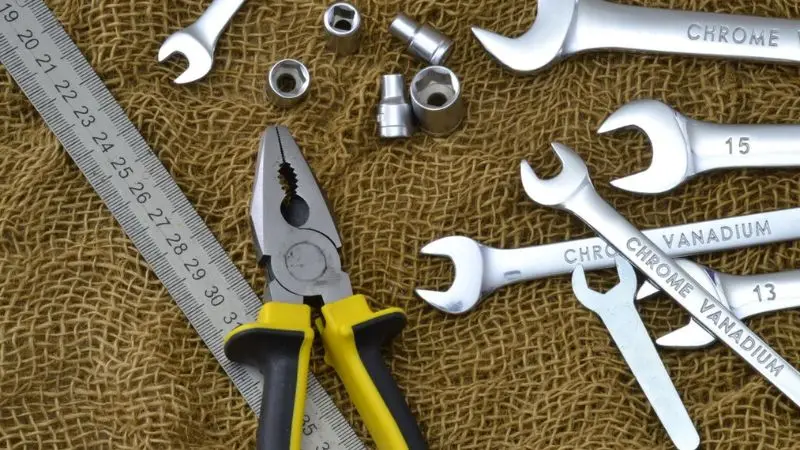
الخطوة الأولى لاستخدام مفتاح الربط هي اختيار المقاس المناسب للصامولة/البرغي. بعد تثبيته على آلية السقاطة، يجب وضع الصامولة/البرغي في مكانه الصحيح، ثم ضبط مفتاح الاتجاه على وضع الربط أو الفك. تضمن آلية السقاطة سهولة الاستخدام دون الحاجة إلى إزالة الأداة بعد كل دورة. هذه الخطوات البسيطة ستضمن لك تجهيزًا أفضل، وكفاءة أعلى، وأمانًا أكبر عند التعامل مع مجموعة واسعة من أعمال الصيانة.
اختيار مقاس المقبس المناسب
الخطوة الأولى هي اختيار المقبس المناسب. افحص الصامولة أو البرغي الذي تنوي فكه. ابحث عن وصلة مناسبة له للعثور على المقبس. إذا كانت الوصلة مرتخية أو متذبذبة، فاستخدم مقاسًا مختلفًا. يجب أن يكون المقبس محكمًا لمنع الانزلاق وتلف المثبت. هذه الميزة تمنع الأخطاء الشائعة. تتوفر الصواميل والبراغي بأحجام مختلفة، وقد يُسبب استخدام المقبس الخاطئ مشكلة. إذا كان المقبس كبيرًا جدًا، فقد يتحرك من مكانه أثناء الفك. أما إذا كان صغيرًا جدًا، فلن يُناسب أي مكان. ما الذي يُصدر صوت طقطقة من مفتاح الربط؟ يُمكن للمستخدمين تجنب الإحباط والعمل بسلاسة أكبر من خلال معرفة مقاس المقبس المناسب. جهّز مقابس الربط وجرّب اثنين منها قبل البدء. سيوفر هذا الوقت ويُسهّل عملك.
تركيب المقبس على السقاطة
باستخدام المقبس المناسب، ثبّته على مفتاح الربط. كيف يعمل مفتاح الربط ذو المقبس المسنن من الداخل؟ أمسك مفتاح الربط بيد واحدة، واضغط على الطرف المربع باستخدام المقبس. ستسمع صوت طقطقة عند تثبيت المقبس في مكانه. اسحب المقبس برفق للتأكد من إحكامه. إذا انفك، استمر في المحاولة حتى يستقر في مكانه. هذه الطريقة مفيدة بشكل خاص للمستخدمين المبتدئين. قد لا يعرف بعض المستخدمين الجدد كيفية تركيب القطع معًا أو ما إذا كان المقبس مثبتًا بشكل صحيح. توضح هذه الميزة كيفية تثبيت المقبس بإحكام في مفتاح الربط، وعادةً ما يُصدر صوت طقطقة عالٍ عند تركيبه. تُزيل هذه المعلومات الأساسية أي لبس وتجعل المستخدمين أكثر ارتياحًا عند استخدام الأداة. وهذا يسمح بإنجاز المشاريع في وقت أقل ودون انقطاعات.
وضع الأداة على المثبت
ثم مرر المقبس فوق الصامولة أو البرغي. تأكد من أن المقبس مسطح ويغطي المثبت بالكامل. قد يكون المقبس غير محاذٍ بشكل صحيح وينزلق. استخدم كلتا يديك للإمساك بالمفتاح. هذا يُمكّنك من التعامل مع الأداة ويضمن سلامة عملك. كيف يستخدم المقبض ذو المقبس للمبتدئين؟ إذا تم وضع المقبس بشكل صحيح، فإنه يغطي الصامولة أو البرغي بالكامل ويتلامس معه تمامًا. هذا سيُمكّن من توزيع قوة الدوران من مقبض السقاطة بالتساوي. هذا يعني أنه يُمكن للمستخدمين ضبط المثبتات بسهولة أكبر وبجهد أقل. يعتقد العديد من المستخدمين الجدد خطأً أنهم بحاجة إلى اختيار المقبس ذي الحجم المناسب، لكنهم ينسون محاذاته بشكل صحيح مع المثبت. تتضمن الميزات نفسها شرحًا بأن المقبس يجب أن يكون مسطحًا تمامًا عند تركيبه على الصامولة أو البرغي لتطبيق القوة.
الربط والفك بشكل صحيح
انظر إلى المفتاح الموجود على مفتاح الربط. اضبطه للشد أو الفك. أدر المقبض ذهابًا وإيابًا. تُستخدم آلية السقاطة لتثبيت اليد أثناء تدوير البرغي بواسطة المقبس. لاستخدام مفتاح الربط لكلا المهمتين، ما عليك سوى قلب المفتاح ومتابعة العمل. يعتقد الكثيرون أن الشد الزائد أفضل، وهذا ليس صحيحًا دائمًا. قد يؤدي الضغط الزائد إلى تمزق السن اللولبي أو تلف البرغي أو جعل الإصلاحات اللاحقة أكثر صعوبة. الآن أنت تعرف كيفية استخدام وجع مأخذ تُفيد هذه المعرفة في مجموعة متنوعة من الأعمال. كررها بضع مرات، وستصبح أسرع وأكثر ثقة في كل منها. هذه المعرفة مفيدة بشكل خاص في مجال المركبات والآلات والأثاث والأجهزة المنزلية.
أخطاء شائعة يجب تجنبها عند استخدام مفتاح ربط المقبس
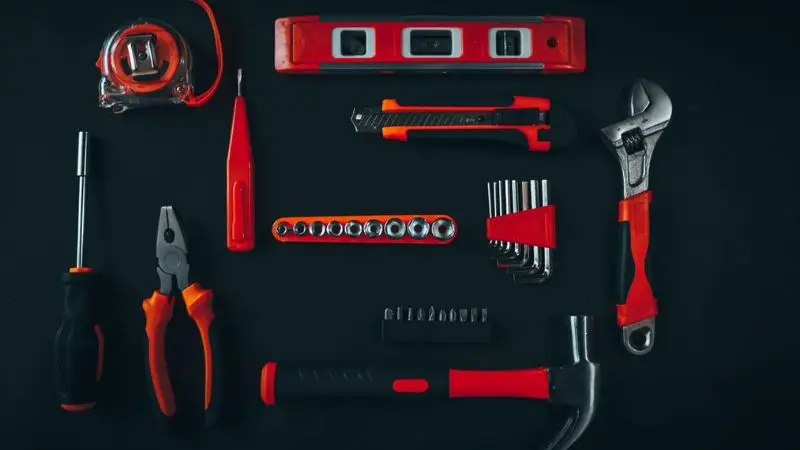
من أكثر أخطاء استخدام مفاتيح الربط شيوعًا استخدام مقاس غير مناسب، والإفراط في شد البراغي والصواميل، وإهمال صيانة الأدوات. يوفر المقاس المناسب ملاءمة مثالية للصواميل والبراغي دون إتلافها؛ كما أن استخدام القوة المناسبة يمنع تلف السنون والبراغي. تبقى مجموعة مفاتيح الربط في حالة جيدة طالما تنظفها بانتظام، وتمنع الصدأ، وتخزنها بشكل صحيح. بتجنب هذه الأخطاء، ستعمل بأمان وكفاءة، وتطيل عمر أدواتك.
استخدام مقاس المقبس الخاطئ
قد تجد مفتاح ربط يبدو مناسبًا، لكنه ليس محكمًا تمامًا حول الصامولة أو البرغي. المفتاح الكبير جدًا سينزلق ويتلف زوايا البرغي أو المثبت. أما إذا كان صغيرًا جدًا، فلن يناسب. تأكد من قياس المقاس قبل البدء. جهّز مجموعة مفاتيح الربط الخاصة بك وجرّب عدة مقاسات حتى تجد المقاس المناسب. كيف يعمل مفتاح الربط ذو المقبض المسنن من الداخل؟ يوفر المفتاح المحكم مكانًا آمنًا للعمل ويحافظ على حالة البرغي أو المثبت بشكل ممتاز. كما أنه يتيح للمستخدمين تحديد المقاس المناسب وغير المناسب. المفتاح ذو المقاس المناسب يناسب الصامولة/البرغي بإحكام ويثبته جيدًا. إذا كان كبيرًا جدًا، فمن المحتمل أن ينفك المفتاح ويهتز تحت الضغط. إذا كانت الفتحة صغيرة جدًا، فلن يناسب البرغي أو المثبت. هذه العلامات ستساعد المستخدمين على معرفة ما إذا كانوا قد اختاروا الأداة الصحيحة للمهمة.
إحكام ربط البراغي والصواميل بإفراط
الشعور بالتأكد من إحكام الربط شعورٌ جيد، لكن الإفراط في الشد قد يؤدي إلى تلف السنون أو حتى كسر البرغي. في معظم الحالات، يكفي لفّ البرغي برفق، لا أكثر من قوتك. كيف تستخدم مفتاح الربط للمبتدئين؟ شد حتى تشعر بمقاومة عند استخدام مفتاح الربط، ثم توقف. استخدم عزم دوران أعلى إذا لزم الأمر، أو إذا كنت تتبع المواصفات.
فيما يلي بعض النصائح التي ستساعدك:
- إذا تم الضغط عليه بشدة، فقد يؤدي ذلك إلى تلف المقبس أو المثبت.
- لاحقاً، قد يكون من الصعب إزالة البراغي المتآكلة.
تجاهل صيانة وتنظيف الأدوات
للحصول على أفضل أداء، استخدم مفاتيح ربط ومفاتيح صواميل نظيفة وخالية من الصدأ. عند تنظيف مجموعة مفاتيح الربط، استخدم قطعة قماش جافة بعد كل استخدام. افحص كل مفتاح للتأكد من خلوه من الأوساخ أو الشحوم. نظّف أي صدأ بقليل من الزيت. احتفظ بمجموعة مفاتيح الربط في مكان جاف، لتكون جاهزة للاستخدام في المشروع التالي. الآن، أنت تفهم كيفية عمل مفتاح الربط وكيفية شرح آلية عمله ببساطة. تدرب على استخدام مجموعتك واكتسب الثقة.
هنا بعض النصائح لتساعدك على البدء:
- اختر دائمًا مقاس المقبس المناسب.
- حافظ على نظافة وجفاف الأدوات.
- استمع إلى صوت طقطقة الترس.
ستتمكن من تجنب الأمور الشائعة وجع مأخذ أخطاء من شأنها أن تحافظ على مفتاح الربط الخاص بك في أفضل حالة وتجعل عمليات الإصلاح أسهل.
يتم إحتوائه
معرفة كيفية استخدام مفتاح الربط بشكل صحيح تُسهّل عمليات الإصلاح والصيانة بشكل كبير. كيف يعمل مفتاح الربط ذو آلية السقاطة داخليًا؟ تتيح لك آلية السقاطة فيه ربط وفك الصواميل والمسامير بسرعة دون الحاجة إلى تحريك الأداة باستمرار. إن فهم مكونات الأداة، بما في ذلك مقبض السقاطة، والمقابس، والوصلات، والمحولات، ومفتاح الاتجاه، يُساعدك على استخدامها بثقة ودقة أكبر. يُستخدم المقبس ذو الحجم المناسب للحصول على نتائج آمنة وفعّالة. بالإضافة إلى ذلك، احرص على تجنب الأخطاء الشائعة مثل استخدام المقبس الخاطئ والإفراط في شد البراغي والصواميل، مما قد يُحافظ على أدواتك ومعداتك. باتباع هذه النصائح والتقنيات، ستتمكن من الربط بسرعة وأمان وفعالية أكبر. بفهمك لكيفية عمل مفتاح الربط، يُمكنك بسهولة القيام بالعديد من مهام الصيانة والإصلاح المنزلية.
الأسئلة الشائعة
ما الفرق بين مفتاح الربط ذي المقبس ومفتاح الربط العادي؟
مفتاح الربط ذو المقبس يتكون من مقبض سقاطة ومقبس. يُتيح لك هذا المفتاح تدوير الصواميل والمسامير بسرعة أكبر دون تحريك يديك. لذا، يتطلب استخدام مفتاح الربط العادي تحريك يديك بعد كل دورة.
هل يمكنني استخدام مفتاح ربط واحد لجميع أحجام البراغي؟
إذا كانت لديك المقابس المناسبة، فيمكنك استخدامها مع مفتاح ربط المقابس. ابحث عن مجموعة مقابس بمقاسات مترية ومعيارية. إذا لم يكن المقاس الذي تبحث عنه متوفرًا، فسيتعين عليك شراء مقابس إضافية.
ما هي أفضل طريقة لتنظيف وتخزين مجموعة مفاتيح الربط الخاصة بي؟
استخدم قطعة قماش جافة لتنظيف الأدوات بعد الاستخدام. احفظ مجموعة المفاتيح في علبة أو حافظة جافة. إذا لاحظت وجود صدأ، استخدم كمية قليلة من الزيت. الأدوات النظيفة تدوم لفترة أطول.
ماذا تفعل في حالة حدوث انحشار في آلية السقاطة؟
حرك المقبس برفق أثناء الضغط على زر التحرير. إذا لم ينفك، استخدم القليل من الزيت. لا تستخدم القوة، فقد تتلف الأداة. الصبر مفتاح النجاح!