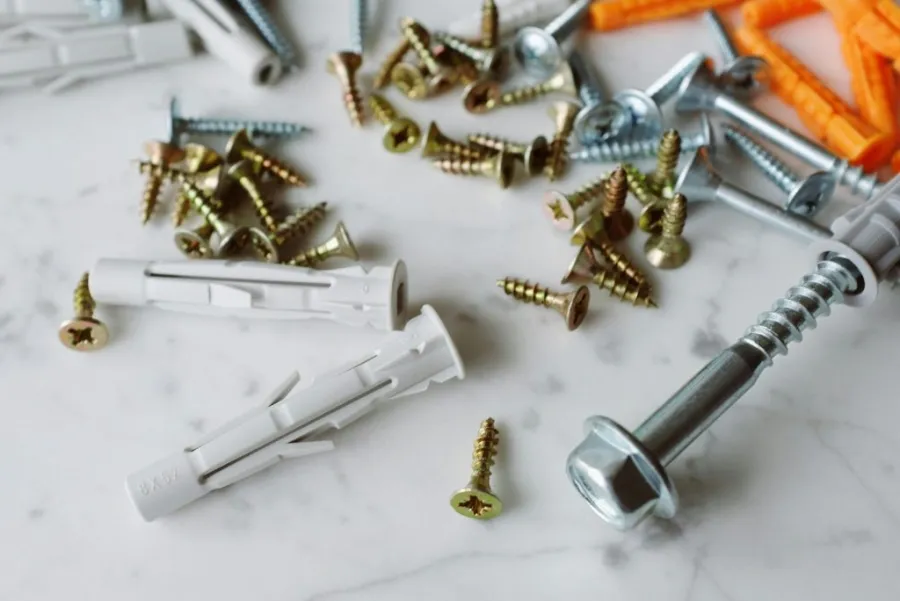
هل سبق لك أن عملت على مشروع منزلي لتكتشف أن القاعدة المتينة التي صنعتها مهتزة، وكأنها فقدت بعض أسنانها؟ لا يوجد شعور أسوأ من رؤية رفّك المثبت بعناية أو أي آلة ثقيلة أخرى تسقط بسبب عطل في جزء صغير.
في هذا الدليل، سنتعرف على مسامير التثبيت وكيفية تمييز أنواعها المختلفة، وكيفية اختيار النوع المناسب، وعملية التركيب لضمان بقاء كل شيء في مكانه الصحيح. ولضمان تثبيت جميع المسامير بإحكام في مكانها، ستحتاج إلى استخدام... طقم أدوات سقاطة مكون من 90 قطعة لتثبيتها.
ما هي مسامير التثبيت؟
باختصار، هذه أنظمة تثبيت متينة تُستخدم لربط المكونات الإنشائية وغير الإنشائية بمواد الخرسانة أو البناء. فبينما يعمل البرغي عن طريق اختراق ألياف الخشب، تعمل هذه البراغي عن طريق التمدد أو الارتباط الكيميائي بالمادة.
تُشكّل هذه البراغي العمود الفقري الخفي لأي مشروع بناء، بدءًا من مقاعد الملاعب وصولًا إلى أرفف المرآب. ويُتيح لنا فهم آلية عمل هذه البراغي فهم سبب عدم إمكانية استخدام البراغي العادية.
عند استخدام مسامير التثبيت في الخرسانة، فإنك تُنشئ رابطة ميكانيكية. عند شد المسمار، يتمدد على جدران الحفرة، مما يُولّد احتكاكًا هائلاً. هذا الاحتكاك هو ما يسمح لقطعة صغيرة نسبيًا من الفولاذ بتحمل آلاف الأرطال.
بدون هذه المثبتات، لن نحصل على درابزين آمن، أو أعمدة إنارة ثابتة، أو أساسات منازل متينة. إنها تربط بين "الاستقرار على سطح ما" و"الاندماج مع السطح".
4 أنواع شائعة من مسامير التثبيت
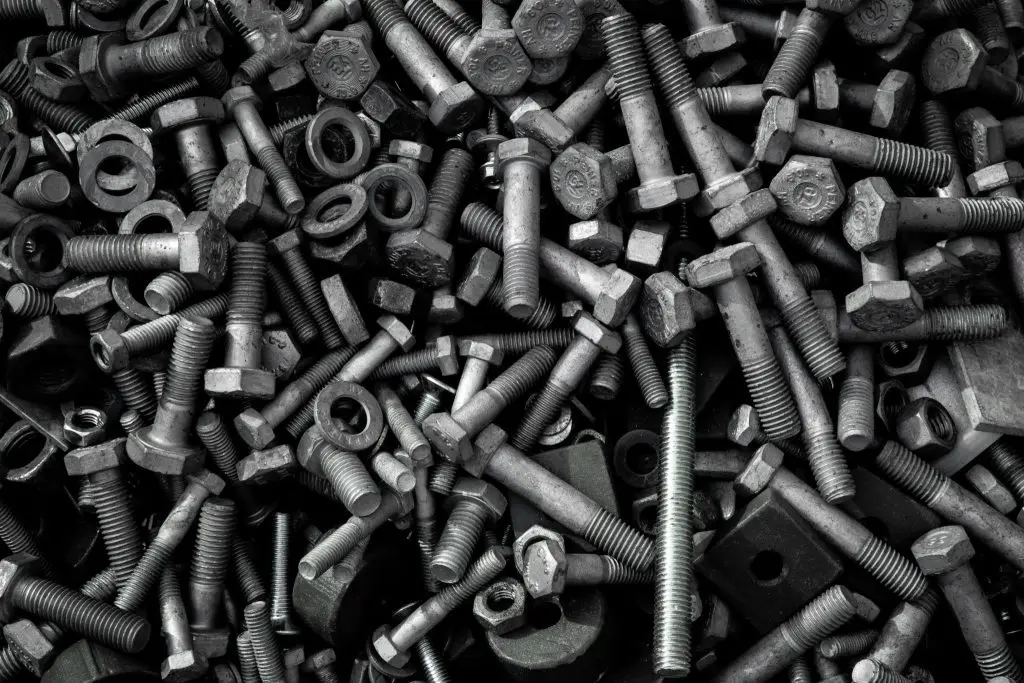
ليست جميع أدوات التثبيت متساوية. بناءً على نوع المادة الأساسية ووزن الجسم المراد تثبيته، ستحتاج إلى اختيار نوع مناسب من مسامير التثبيت لضمان السلامة والثبات. قد يؤدي اختيار النوع الخاطئ إلى تلف المادة أو إضعاف الهيكل.
إسفين المراسي
تُعتبر هذه الأدوات المعيار الذهبي لتركيب الخرسانة الصلبة. كلما زاد إحكام ربط الصامولة، زاد تمدد إسفين ميكانيكي موجود في الجزء السفلي داخل الفتحة، دافعًا الجوانب لأعلى. توفر هذه الأدوات تثبيتًا استثنائيًا، ويُمنع استخدامها مطلقًا مع الطوب أو البلوك.
يوصف المرساة الإسفينية بأنها "دائمة". عندما تقوم بتمديدها داخل الحفرة وتثبيتها في مكانها، يصبح من الصعب للغاية سحبها دون تدمير الخرسانة.
كم المراسي
هذه هي الأنواع متعددة الاستخدامات من مثبتات الوتد. تتميز بوجود غلاف يتمدد على طول البرغي بالكامل، مما يوزع الضغط بشكل أكثر توازناً، وهو أمر مفيد إذا كانت الخرسانة قديمة أو أقل كثافة.
نظرًا لقدرتها على توزيع الضغط، تُفضّل هذه المسامير غالبًا لتثبيت الطوب أو كتل الخرسانة. فهي توفر تثبيتًا أكثر مرونة من التثبيت القوي الذي توفره مسامير التثبيت الإسفينية.
مسامير على شكل حرف L (مسامير على شكل حرف J)
ستجدها في الغالب داخل الخرسانة الرطبة أثناء بناء الأساس. سيعلق المرساة على شكل حرف "L" أسفل الركام أو حديد التسليح؛ وبالتالي، سيكون من الصعب جدًا إزالة المرساة بعد تصلب الخرسانة.
تُعد هذه العناصر ضرورية لتركيب ألواح العتبات على الأساسات الجديدة. وهي تعمل كـ:
المراسي القابلة للتركيب
تُعدّ هذه الأدوات مثالية للتركيبات فوق سطح الأرض أو عندما تحتاج إلى سطح أملس. يتم إدخال مرساة ذات سن لولبي أنثوي في فتحة، ثم استخدام أداة التثبيت لتوسيعها، وبعد ذلك يمكنك تثبيت التركيب عليها.
في حال احتجت إلى فك التركيب مع الحفاظ على أرضية نظيفة، فإن هذه الأدوات ستعمل بشكل مثالي بالنسبة لك، حيث ستقوم فقط بفك البرغي من نقطة التثبيت.
كيفية تركيب مسامير التثبيت للخرسانة
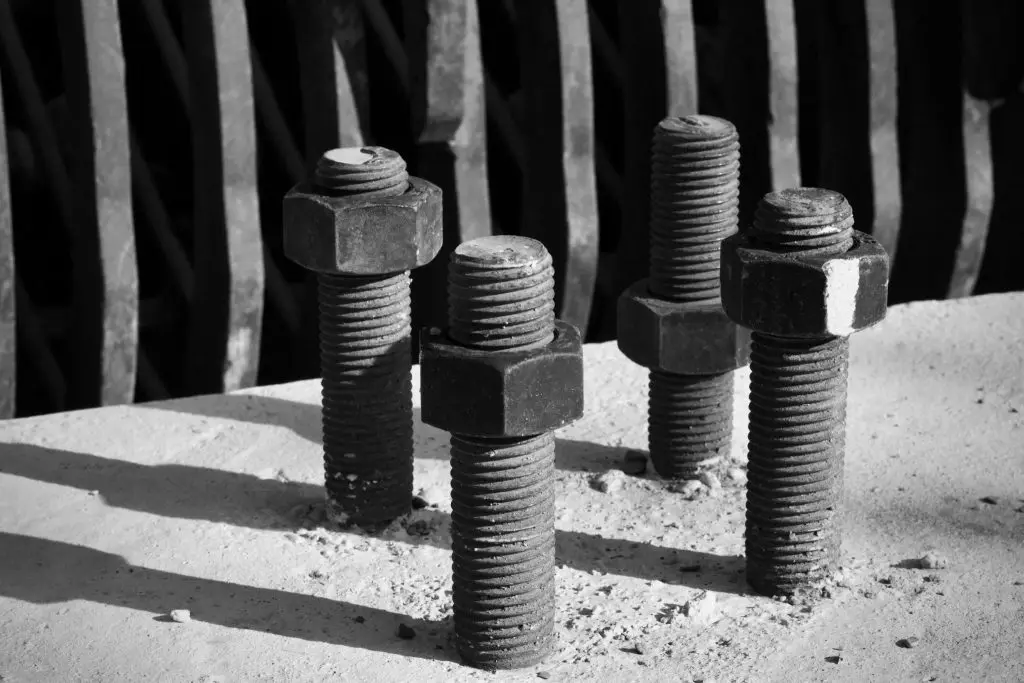
إذا كنت ترغب في تثبيت محكم لا يتزعزع، فإن أسلوب التركيب أهم من البرغي نفسه. إليك الطريقة المعتمدة من قبل المحترفين لتثبيت براغي التثبيت في الخرسانة لضمان عدم فشلها أبدًا.
الخطوة 1: تحديد نقطة الحفر
تُعدّ الدقة أمرًا بالغ الأهمية عند العمل بمواد البناء. استخدم قالب التثبيت الخاص بك لإجراء قياسات دقيقة فيما يتعلق بالثقوب التي يجب حفرها. في حالة المشاريع الضخمة، مثل تركيب رفع تلقائي في المرآب، توخ الحذر الشديد عند إجراء هذه القياسات قبل الحفر.
إذا كان هناك انحراف ولو بمقدار ربع بوصة، فلن يتطابق البرغي بشكل صحيح مع الثقوب الموجودة في الآلة. استخدم مثقابًا مركزيًا لتحديد نقطة ارتكاز لريشة الحفر.
الخطوة الثانية: حفر الثقب المثالي
ستحتاج إلى استخدام مثقاب مطرقي لهذه المهمة. إذا لم تكن متأكدًا من نوع الأداة الكهربائية التي يجب عليك اختيارها، فإليك دليلنا المفيد للاختيار بين مطرقة دوارة ومثقاب مطرقي.
تأكد من أن قطر مثقابك مطابق تمامًا لقطر البرغي. فالثقب ذو القطر الأكبر من اللازم هو السبب الرئيسي لفشل التثبيت. أمسك المثقاب في وضع رأسي تمامًا.
الخطوة 3: حيلة التنظيف "النفخ-الفرشاة-النفخ"
عادةً ما يتجاهل معظم أصحاب المنازل الذين يقومون بأعمال الصيانة بأنفسهم هذه الخطوة، على الرغم من أنها المرحلة الأكثر أهمية في العملية. يعمل الغبار كمادة تشحيم، مما يسمح للبراغي بالانزلاق. استعن بـ طقم أدوات سقاطة مكون من 48 قطعة عند نفخ الغبار بالهواء.
قم بنفخ الغبار من داخل الثقب المحفور، واستخدم فرشاة سلكية لتنظيف جدرانه من الغبار، ثم انفخه مرة أخرى. تأكد من أن معدن المرساة يلامس الخرسانة، وليس المسحوق.
الخطوة الرابعة: تثبيت المرساة
اطرق البرغي في الفتحة باستخدام مطرقة. اترك الصامولة مثبتة على السنون أثناء القيام بذلك لحمايتها من التلف. إذا كنت تحفر في بلاط شديد الصلابة، فتعلم أولاً. كيفية استخدام مثقاب الماس بشكل فعال يمكن أن تساعد.
يجب أن يدخل المرساة مع بعض المقاومة. إذا دخل بسهولة، فهذا يعني أن الفتحة كبيرة جدًا. ادفعه للداخل حتى تصبح الحلقة المعدنية مستوية مع سطح التركيب.
الخطوة 5: الشد لزيادة المتانة
إستخدم مجموعة مفكات صدمية مترية مكونة من 34 قطعة لربط الصامولة بعزم الدوران الموصى به.
عند تدوير الصامولة، يُسحب البرغي للأعلى، مما يُجبر مشبك التمدد على التمدد. هنا تكمن أهمية التثبيت. ستشعر بزيادة المقاومة مع انغراس البرغي في الخرسانة.
حلول متخصصة للخشب والطوب
أحيانًا لا تكون المادة الأساسية خرسانة صلبة. عند التعامل مع مواد أكثر ليونة أو مجوفة، يجب تغيير طريقة استخدام البراغي لتجنب إتلاف الهيكل.
كيفية استخدام مسامير التثبيت للخشب
يتطلب تثبيت المعادن بالخشب طريقة تثبيت مختلفة. في مثل هذه الحالات، تُستخدم مسامير التثبيت ومسامير التثبيت الطويلة مع حلقات كبيرة. في أعمال الأخشاب الثقيلة، مثل... درابزين الأنابيب DIY، املك طقم مقابس مكون من 65 قطعة تأتي في متناول اليدين.
عند استخدام مسامير التثبيت للخشب، من المهم مراعاة أن الخشب يتمدد وينكمش مع تغيرات الطقس. وتُعدّ الحلقات العريضة مفيدة في توزيع الحمل، مما يمنع المسمار من الانزلاق.
كيفية استخدام مسامير التثبيت للطوب
الطوب هشٌّ وغالبًا ما يكون مجوفًا. يتطلب استخدام مسامير التثبيت للطوب عادةً استخدام مثبتات ذات غلاف أو أنظمة لاصقة. تجنب استخدام مثبتات إسفينية هنا، لأن قوة التمدد قد تكسر الطوبة إلى نصفين.
عند تركيب الطوب، حاول استهداف فواصل المونة إذا كان الحمل خفيفًا، أو استخدم مثبتًا لاصقًا إذا كان الحمل ثقيلًا. الطوب أقل كثافة بكثير من الخرسانة، لذا يلزم التعامل معه برفق أثناء التركيب.
المثبتات الكيميائية مقابل المثبتات الميكانيكية
تعتمد المثبتات الميكانيكية على الاحتكاك وقوى التمدد. تتميز هذه المثبتات بسهولة وسرعة تركيبها وتحملها للأحمال. إلا أنها تُسبب ضغطًا على الخرسانة، مما قد يؤدي إلى مشاكل في المناطق الطرفية.
تتكون المثبتات الكيميائية من راتنج إيبوكسي ثنائي المكونات. يربط هذا المزيج المثبت في مكانه داخل الثقب المحفور. يُعدّ البديل الكيميائي فعالاً في المناطق ذات المسافات المتقاربة بين الحواف.
بالنسبة للتطبيقات الصناعية الثقيلة، قد تحتاج إلى مجموعة من 29 قطعة بمقبض 3/4 بوصة لتحمل البراغي الضخمة. توفر هذه البراغي مانعًا لتسرب الماء وتوزع الحمل بشكل أكثر توازنًا على المادة.
نصائح الصيانة والسلامة
حتى أفضل مسامير التثبيت تحتاج إلى فحص دوري. مع مرور الوقت، قد تتسبب الاهتزازات وتغيرات درجة الحرارة في انخفاض طفيف في قوة الشد. يجب أن تكون السلامة دائمًا على رأس أولوياتك عند التعامل مع الأحمال الثقيلة.
- الفحص السنوي: إستخدم مجموعة أدوات الصدمات المكونة من 33 قطعة للتأكد من إحكام الربط.
- فحص الصدأ: ابحث عن الصدأ الأحمر، فهو يدل على فقدان السلامة الهيكلية. إذا رأيت حفرًا عميقة، فاستبدل البرغي فورًا.
- تجنب التحميل الزائد: تحقق من تصنيف الوزن المُحدد من قِبل الشركة المصنعة لقوة القص. لا تتجاوز الحد المسموح به أبدًا، خاصةً بالنسبة للتركيبات العلوية.
- جهّز أدواتك: تخزين أ 23 قطعة مجموعة لإجراء تعديلات سريعة.
- الوصول العميق: استعمل مجموعة من 26 قطعة بمقبض 1-2 للمسامير ذات الخيوط الزائدة.
- المساحات الضيقة: A مجموعة قضبان تمديد مكونة من 19 قطعة يساعدك على الوصول إلى البراغي الموجودة خلف المعدات الثقيلة.
- الوصول العميق: إستخدم طقم ذو طول عميق مكون من 19 قطعة أو طقم مفاتيح ربط عميقة مكون من 9 قطع للمثبتات الغائرة.
صيانة أدوات التثبيت لا تقل أهمية عن تركيبها الأولي. فالمسمار الذي ارتخى بضعة ملليمترات فقط قد يُشكّل نقطة ارتكاز قد تُؤدي في النهاية إلى تشقق الخرسانة المحيطة به. تمنع عمليات الفحص الدورية تحوّل المشاكل البسيطة إلى أعطال خطيرة.
الأسئلة الشائعة
ماذا يحدث إذا حفرت الثقب بعمق شديد؟
بالنسبة لمعظم مسامير التثبيت، لا يمثل العمق الأكبر للثقب مشكلة طالما يمكنك الوصول إلى الصامولة. أما بالنسبة لمسامير التثبيت الغائرة، فيجب أن يكون العمق دقيقًا، وإلا فلن تتمكن أداة التثبيت من توسيع المسمار بشكل صحيح.
هل يمكنني إعادة استخدام مسامير التثبيت؟
عموماً، لا. تعمل المثبتات الميكانيكية على تشويه المعدن لتوفير قوة تثبيت. وبمجرد إزالتها، يزول هذا التأثير. لذا، استخدم دائماً أدوات تثبيت جديدة عند التركيب لضمان سلامتك وسلامة الهيكل.
ما هي أفضل مسامير التثبيت للخرسانة للاستخدام الخارجي؟
احرص دائمًا على استخدام الفولاذ المجلفن بالغمس الساخن أو الفولاذ المقاوم للصدأ. تصدأ البراغي المطلية بالزنك العادية بسرعة عند تعرضها للرطوبة، مما قد يؤدي في النهاية إلى تآكل الخرسانة وتشققات هيكلية.
هل أحتاج إلى مفتاح عزم الدوران؟
بينما يستخدم العديد من المحترفين مفك البراغي الصدمي لزيادة السرعة، فإن مفتاح عزم الدوران هو الطريقة الوحيدة للتأكد بنسبة 100% من استيفاء مواصفات المهندس. إذا كان المشروع إنشائيًا، مثل لوح تثبيت سطح السفينة، فاستخدم مفتاح عزم الدوران.
كيف يمكنني إزالة مسمار التثبيت القديم؟
إذا لم تتمكن من سحبه، فإن أفضل طريقة هي قطعه بمستوى السطح باستخدام آلة تجليخ. أما إذا اضطررت لإزالته بالكامل، فقد تضطر إلى الحفر حوله، مما يُلحق ضرراً كبيراً بالخرسانة المحيطة به.
خاتمة
إن معرفة كيفية عمل مسامير التثبيت جانب أساسي في مشروعك، لأنها ستساعد في جعل البناء متيناً للغاية دون الحاجة إلى القلق بشأن ارتخاء المسامير، كما ذُكر سابقاً. عليك اختيار أداة التثبيت المناسبة واتباع الإجراءات الصحيحة للتنظيف والربط لضمان ثبات البناء في مكانه.
لا يمكن التقليل من أهمية استخدام المعدات المناسبة في أعمال البناء، كما أوضحنا في مقدمتنا. بفضل المعلومات المذكورة أعلاه حول أنواع المعدات وإجراءات استخدامها، يمكنك الآن تثبيت أي شيء بسهولة تامة!